
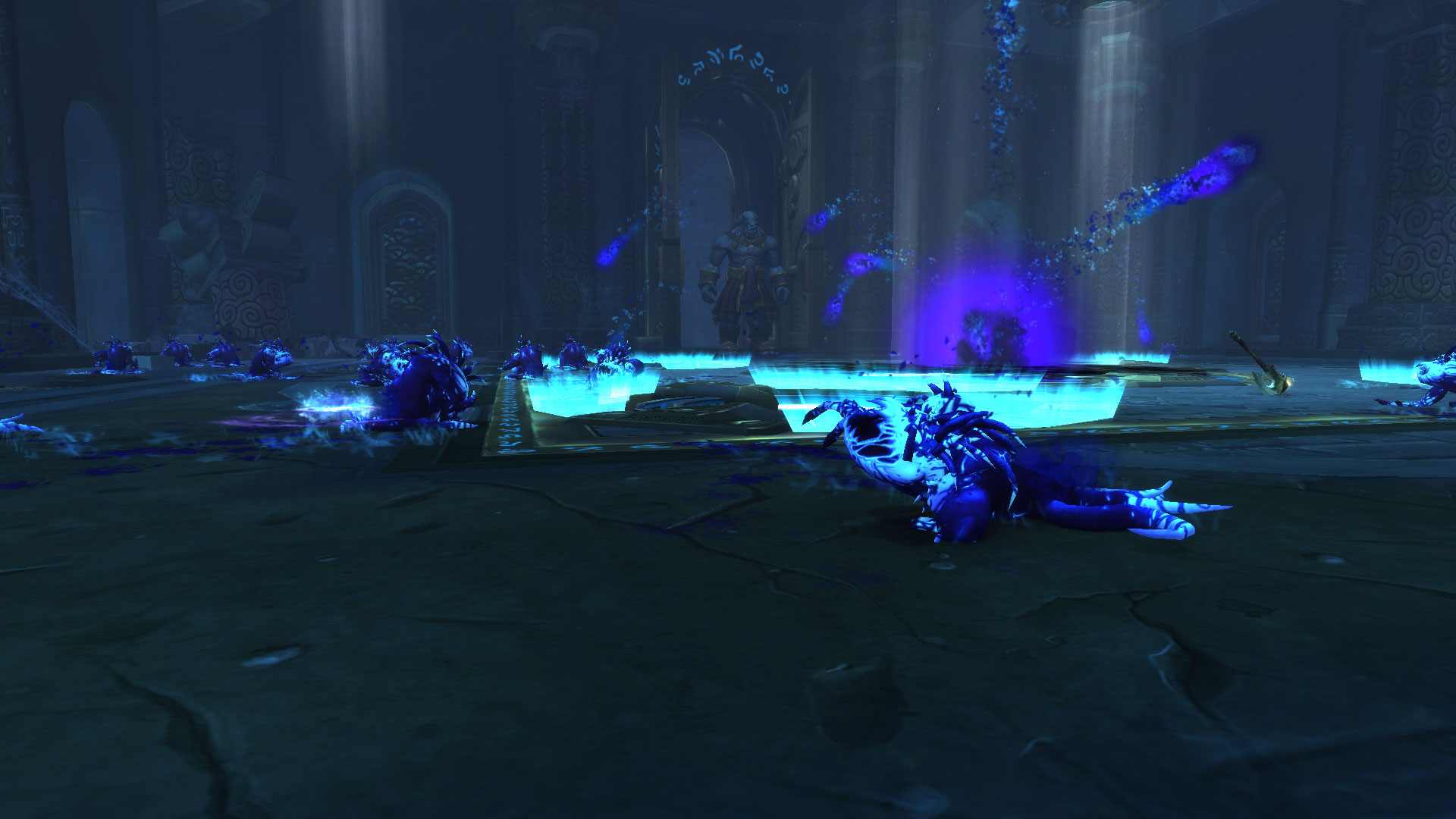
The last phase of the Garrosh Hellscream encounter, set in the harbor of Stormwind, caught many Mythic raiders by surprise. New mechanics, a changed environment and rising pressure combined to create a stage of the fight that tested even experienced guilds. This guide explains the central mechanics, how they altered raid strategy, what steps lead to a kill, which parameters matter, how to troubleshoot wipes and where raid design may go from here.
Which mechanics define Phase 4?
A damaging debuff, moving danger zones and unpredictable obstacles shape every decision.
This phase added several elements at once, and each one required the raid to adjust its habits. The table below summarizes the main ones and how they affect the group.
| Mechanic | Effect | Response | Raid impact |
|---|---|---|---|
| Corrupted Blood | Damage over time | Healers prioritize cleansing | Raises healing demands |
| Whirling Corruption | Creates damaging zones | Move to safe zones | Demands constant repositioning |
| Environmental hazards | Randomly placed obstacles | Navigate with care | Raises the risk of deaths |
The challenge is not any single effect but the fact that all of them overlap. A player who is handling a debuff may still have to step out of a zone and around an obstacle in the same few seconds.
How did the phase change raid strategies?
It pushed teams toward faster coordination and more flexible layouts.
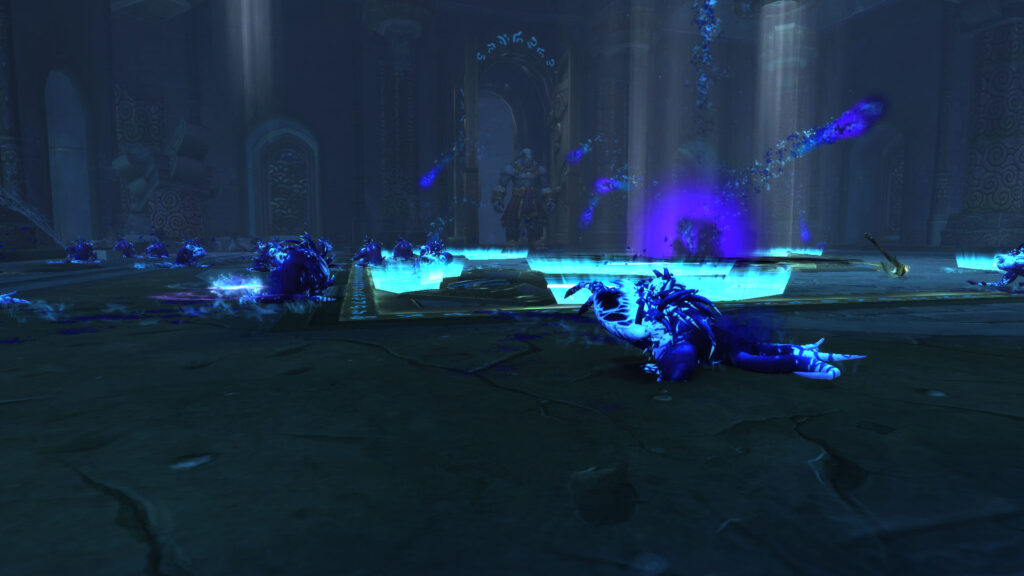
Healers suddenly had two jobs: clearing players affected by Corrupted Blood and keeping up with the increased damage from Whirling Corruption. This kind of split attention is stressful, and small mistakes could cause quick wipes. Communication and awareness became essential, because nobody could solve everything alone.
Environmental hazards complicated things further. Players had to avoid obstacles while still doing their jobs, so static positions were no longer enough and the raid layout needed to be dynamic. Plans that had worked in earlier phases often failed here, and guilds spent many attempts building new approaches.
What steps lead to a successful kill?
Clear roles, careful preparation, rehearsal and good attitude.
Start by assigning roles so that everyone knows who handles which mechanic. Check gear and consumables before the pull so that no one is missing an important item. Practice the encounter in a controlled environment to become familiar with the sequence of events. Finally, keep communication open and calm, because stress is one of the main sources of mistakes.
- Give each raid member a clear role to simplify communication.
- Review gear and consumables before the attempt.
- Rehearse the encounter to learn the mechanics.
- Stay positive and talk openly during the fight.
Which parameters decide the outcome?
Damage, healing throughput and positioning must be in balance.
Raiders should push for high damage while ensuring the healers can handle the effects of Corrupted Blood. Leaning too far toward either side leads to failure: too little damage lengthens the phase, while too little healing causes deaths. Positioning matters just as much, since staying inside safe areas and away from obstacles reduces risk. Defensive cooldowns should be planned around the moments when damage spikes.
After each attempt, review the logs to understand where damage came from and who took it. Looking at patterns, such as the same player dying to the same mechanic, shows where the plan needs to change. This cycle of analysis and adjustment is what turns a hard phase into a repeatable one.
How do you troubleshoot wipes?
Find the failure point and adjust one thing at a time.
If deaths cluster around Corrupted Blood, discuss cleansing priorities and who is responsible for which targets. If hazards are the problem, review movement paths and positioning. A feedback loop in the middle of the fight, with short calls like “cleanse left” or “moving right,” lets the team correct mistakes as they happen instead of discovering them afterward.
What might raid mechanics look like in the future?
Expect more interacting systems and environments that react to the players.
Encounters are likely to keep layering mechanics and asking players to adapt in real time. Environmental effects that interact with class abilities and decisions that must be made under pressure will probably become more common. The more complex the design, the more important coordination and communication become.