

Beyond epic battles and grand adventures, World of Warcraft (WoW) offers a surprising glimpse into the daily lives of its inhabitants, especially through its diverse and often bizarre food culture. From the simple, rustic meals of farmers to the exotic and sometimes disturbing dishes of monstrous races, Azeroth’s cuisine tells a story about its people, their environment, and their struggles. This guide delves into some of the weirdest meals found in WoW, exploring what these strange dishes suggest about the factions, creatures, and overall culture of Azeroth. It’s about seeing the world through a different lens, understanding its inhabitants better by examining what they put on their plates.
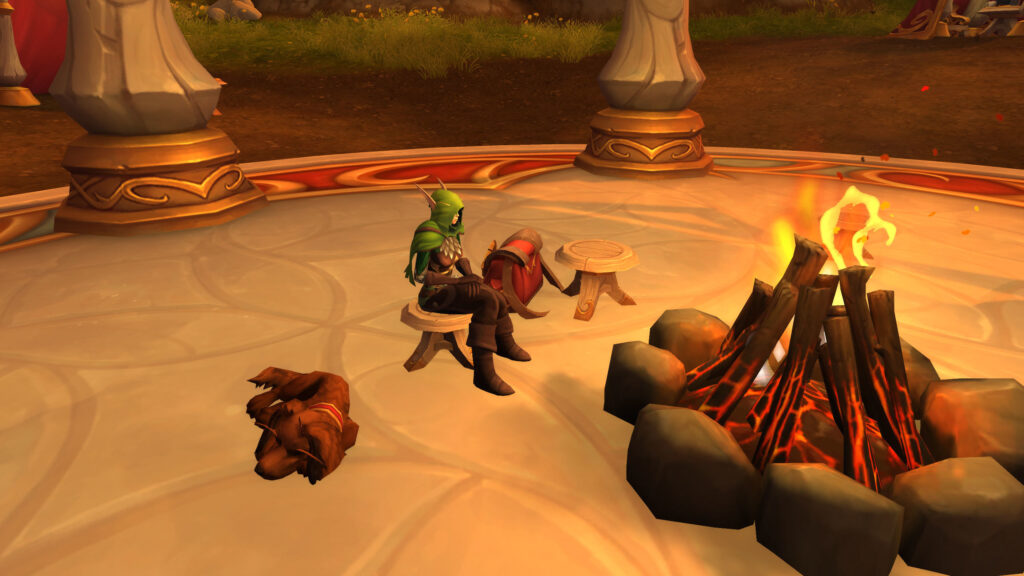
Spider Sausage and Worm Delight: Survival in Harsh Lands
Among the more unsettling dishes are those made from insects and arachnids, like “Spider Sausage” or “Worm Delight.” These foods are often found in zones where conventional livestock is scarce or too dangerous to raise. They highlight the harsh realities of survival for populations living in unforgiving environments, where every edible creature is a potential meal.
These meals suggest a resourcefulness, albeit a slightly disturbing one, on the part of the cooks. They show that in parts of Azeroth, hunger is a constant companion, and people (or non-people) cannot afford to be picky. It speaks to a pragmatic culture of making do with what is available, even if it means dining on multi-legged creatures that might make a city dweller queasy. It tells a story of adaptation in a brutal world.
Blood Sausage and Kael’thas’s Head: The Culinary Edge of Conflict
The Horde, particularly the Orcs, are known for their preference for hearty, often bloody meals, such as “Blood Sausage.” This reflects their primal, warrior culture and their historical connection to a more brutal existence. Even more extreme are dishes or references to consuming parts of powerful foes, like the infamous “Kael’thas’s Head” quest item (though thankfully not a recipe).
These types of foods, or the suggestion of them, hint at the brutal realities of constant warfare and the “might makes right” philosophy prevalent in some Horde cultures. Eating powerful beasts or even fallen enemies can be a sign of respect, a way to absorb their strength, or simply a grim statement of dominance. It underscores the ongoing conflict and the raw, untamed spirit of certain factions within Azeroth, where the line between prey and meal is often blurred.
| Food Item/Type | Races/Context | Implied Cultural Trait | What It Suggests About Azeroth |
|---|---|---|---|
| Spider Sausage, Worm Delight | Various, often remote/harsh zones. | Resourcefulness, pragmatism, lack of choice. | Survival is tough; food sources are limited in many areas. |
| Blood Sausage, Consuming Foes | Horde (Orcs), certain monstrous races. | Primal, warrior culture, dominance, brutality. | Constant conflict, “might makes right” philosophy. |
| “Long-Legged Beasts,” Humanoid Meat | Trolls, Ghouls, certain cults. | Predatory nature, barbarism, desperation, taboo breaking. | Darker corners of the world, monstrous appetites. |
| Murloc Eye Stew, Ogre Kibler | Goblins, less discerning chefs. | Opportunism, disregard for traditional tastes, novelty. | Every creature is a resource, even if gross. |
| Arcane-Infused Foods | Highborne, Mages, Nightborne. | Sophistication, magical prowess, refined tastes. | Magic pervades all aspects of life, even cooking. |
“Long-Legged Beasts” and Humanoid Meat: The Taboo and Monstrous

Some of Azeroth’s inhabitants venture into truly taboo territory, with references to consuming “long-legged beasts” (often implying spiders) or even humanoid meat. The Trolls, for example, have a history of cannibalism and dark rituals. The Scourge and Ghouls, of course, feast on the living. These dishes or dietary habits speak to the truly monstrous or desperate elements within the world.
These suggest the darker, more barbaric corners of Azeroth where morality is distorted or non-existent. It reveals the primal, predatory nature of certain races and cults, highlighting the constant threat that lurks in the shadows. This culinary taboo-breaking underscores the constant struggle between civilization and savagery, reminding players of the true dangers that exist.
Murloc Eye Stew and Ogre Kibler: The Gnomish/Goblin Experimentation
The Gnomes and Goblins, with their penchant for experimentation, bring a different kind of weirdness to the table. Dishes like “Murloc Eye Stew” or “Ogre Kibler” (a very bland, basic food) reflect their pragmatic, often irreverent approach to food. Goblins, especially, might cook anything that can be made profitable or novel, regardless of its inherent deliciousness.
These foods suggest an opportunistic and sometimes bizarre culinary philosophy, where novelty or efficiency trumps traditional palatability. It speaks to a world where every creature is a potential ingredient, and no food source is too strange to consider. This often leads to humorous, if not entirely appetizing, results that reflect their inventive and often chaotic cultures.
Arcane-Infused Foods: Magic in Everyday Life
On the more sophisticated side, some races, particularly the Highborne, Mages, or Nightborne, enjoy arcane-infused foods. These dishes might glow, sparkle, or provide magical benefits beyond mere sustenance. They represent a culture where magic is so deeply integrated into society that it even influences their cuisine, elevating it beyond simple nourishment.
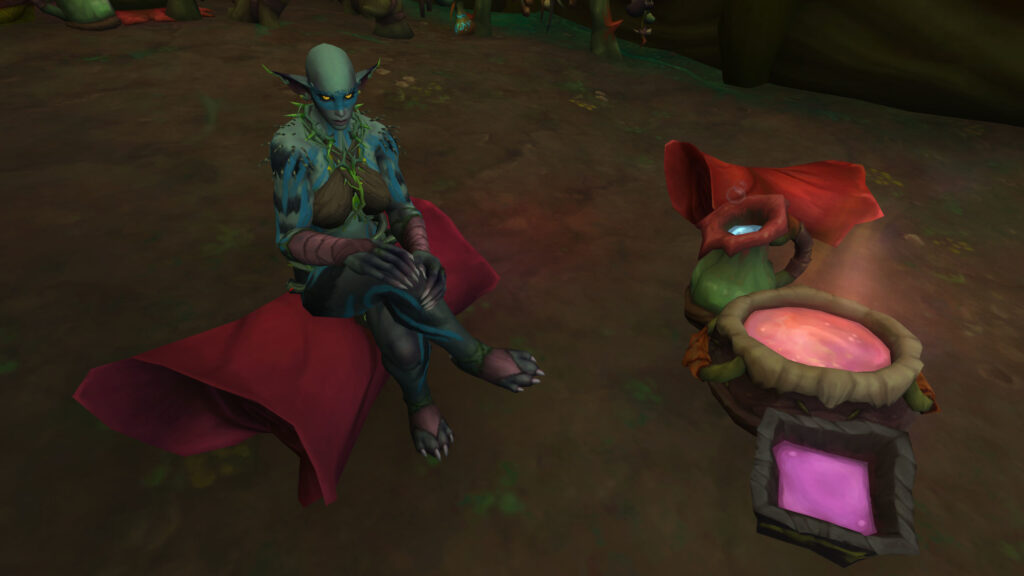
These types of foods suggest a high level of magical refinement and a luxurious lifestyle, often enjoyed by races that have long mastered the arcane arts. It tells a story of elegance, sophistication, and how magic permeates every aspect of their daily lives, even transforming the simple act of eating into a magical experience. It’s a stark contrast to the survival meals found elsewhere.
What Azeroth’s Food Culture Tells Us
Azeroth’s food culture, from the gruesome to the magical, paints a vivid picture of its inhabitants and the world they live in. It shows us a world of constant struggle for survival, where ingenuity, desperation, and even barbarism dictate what goes on the plate. It highlights the vast cultural differences between races, from the primal to the magically advanced.
By paying attention to these culinary details, players gain a deeper understanding of the lore, the environment, and the daily realities of life in Azeroth. It reminds us that even in a fantastical world, basic needs like food can tell the most compelling stories about its people. The weirdness of Azeroth’s meals is a mirror to its diverse and often brutal reality.